My saxophone journey began at the start of semester two of 2019 at Melbourne Uni as a part of my Second Instrument study. During this unit, I have been creating weekly videos of my progress on the alto saxophone, learning under the guidance of Dr Carol Johnson, who has been very patient along this journey! This website blog forms the last assignment for this subject.
Self Reflection on my progress and learning
When I first started learning the alto saxophone, which is in Eb, I noted that one of the big challenges I was having while playing a transposing instrument (I have absolute pitch), was that of hearing everything in concert pitch, while trying to learn the note names e.g. hearing the pitch of a concert Bb while having to read it as an G.
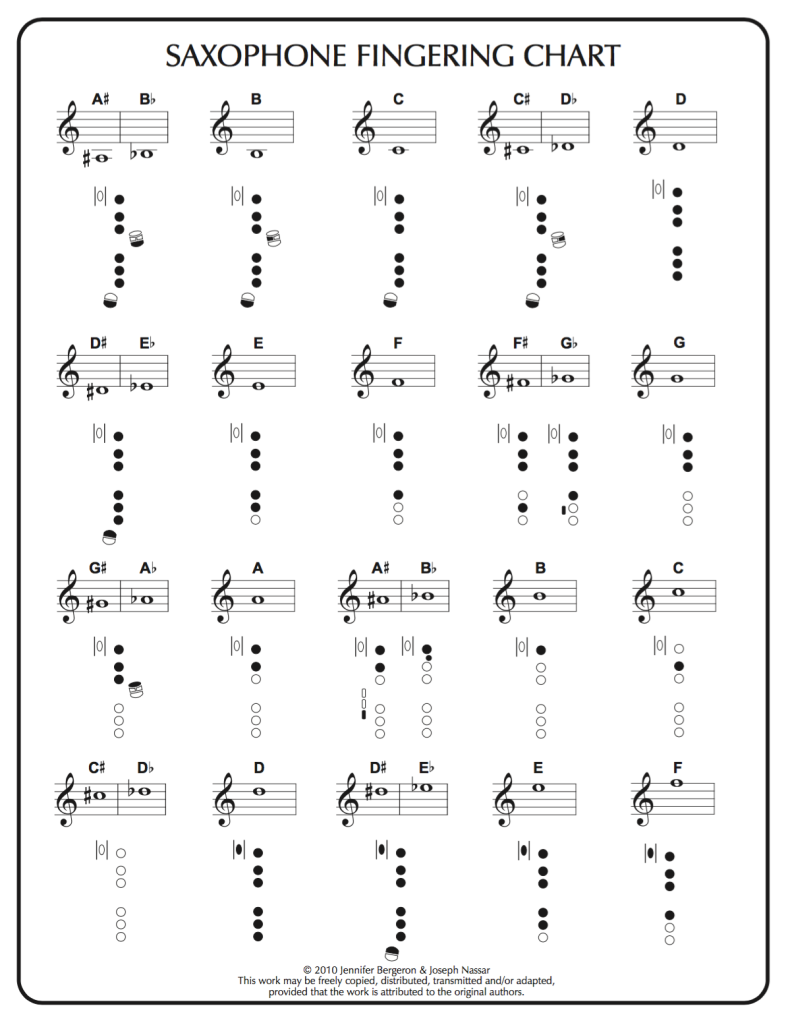
With flute being my main instrument though, it has been easy to learn the finger positions, which are very similar to the alto saxophone. But because the flute is my main instrument, I have noticed that I have been moving my jaw between registers on the alto saxophone, which is a no-no, as it all comes from the throat and breathing. So going from moving my jaw to not moving my jaw has been another challenge in regards to the sax.
Besides the tongue, the majority of the sound changes (register jumps etc, come from the throat)- Carol noted that I needed to create that I’m about to swallow when going from B to D (the break).
The great thing about the weekly videos and the three week video submissions to Carol was that we received feedback on our progress and pointers on the things that we could improve on. One thing I remember Carol noticing that I was moving my whole thumb when shifting to the octave key (in one of my journal videos ), which was affecting the shape of my left hand and the placement of my fingers over the keys. I found it much easier to just move the tip of my thumb, which didn’t affect the position of my left hand at all!
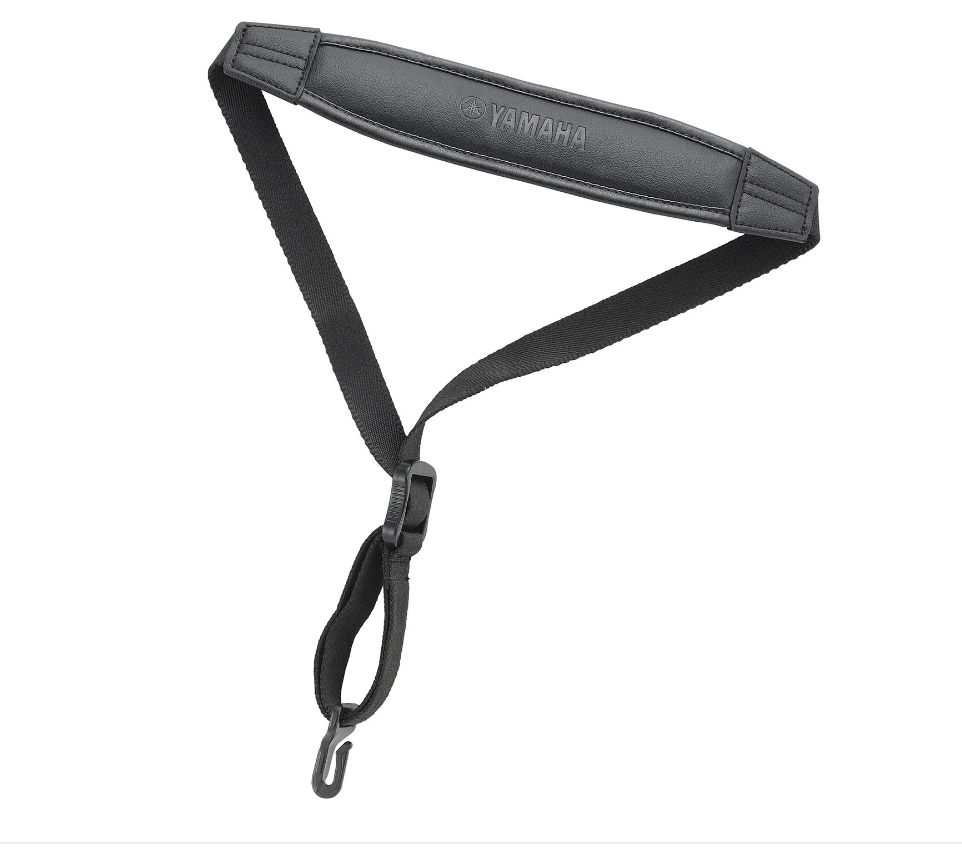
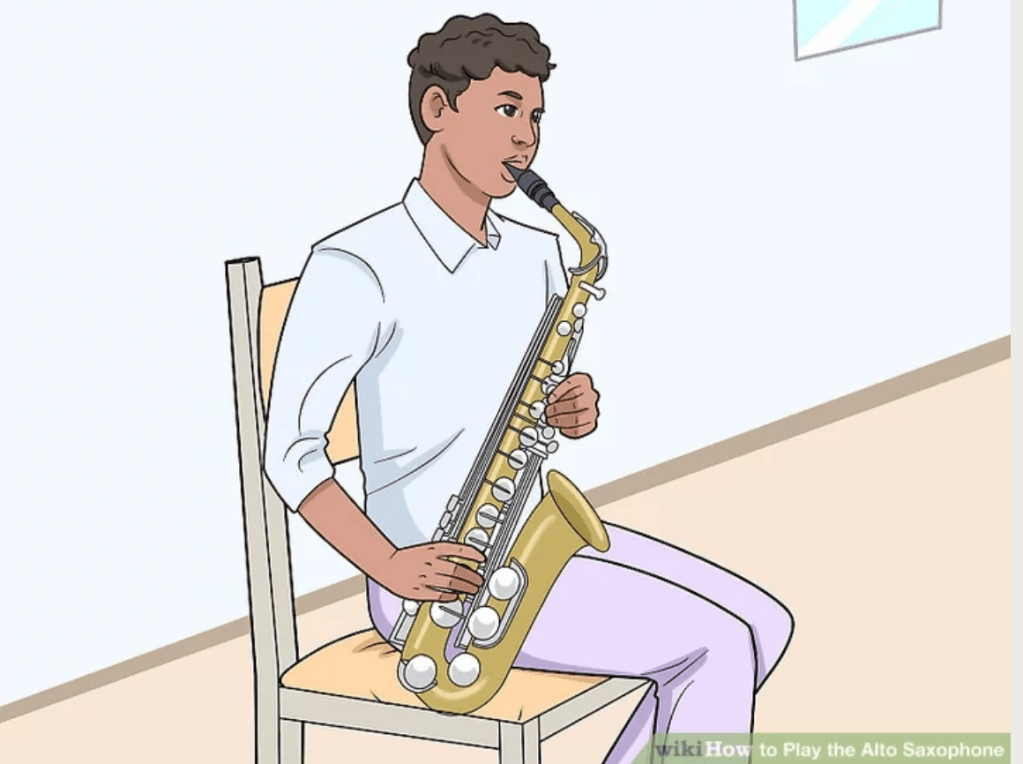
By also letting most of the weight of the instrument sit on my right-hand thumb, I was more able to hold the instrument comfortably without feeling as much pressure on my neck or back.
In regards to tone, It was noted that I had a nice open sound on the B. I practiced by playing that B and feeling the sensation of what it felt like (what i was doing physically to get that open sound with the throat etc). I then played the A, aiming to obtain the same open sound I achieved on the B, then added the G. Doing this has helped my embouchure to develop and to become more consistent and set.
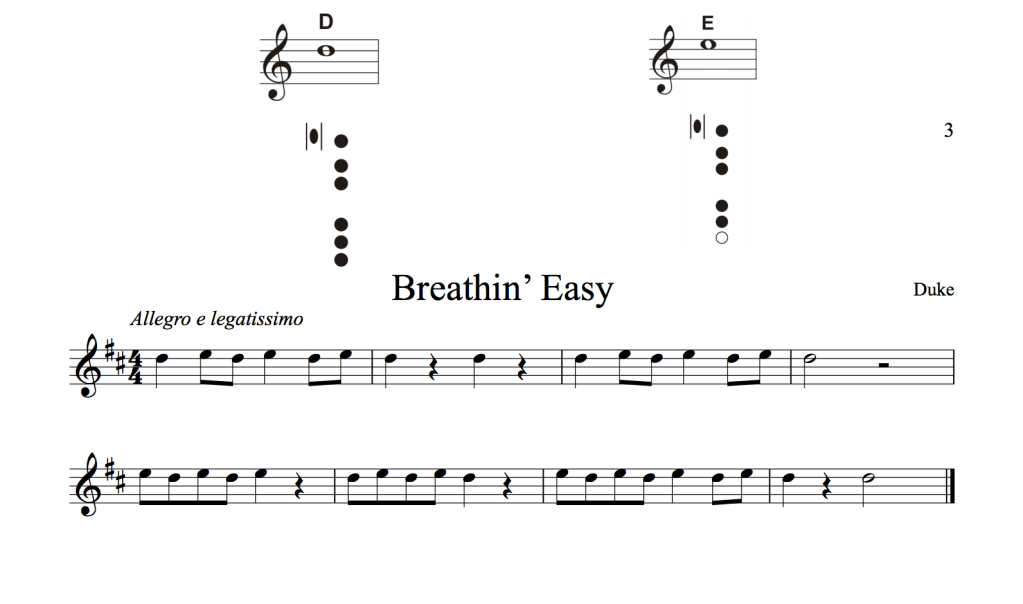
Note reading has been quite easy for me, since again, the flute notes and the saxophone notes correlate for the most part. I find some of the fingerings more awkward, e.g. playing the G# (I keep pressing the side key by accident when I try to add the left-hand pinky key, but I know that is due to me tensing up and also moving my left hand too much. Also moving quickly from the G# to another note is a bit tricky at times.
With tonguing, because I’ve already been preview to tonguing on the flute, I’ve been finding it ok, making sure that I’m tonguing against the roof of my mouth. I’ve just been experimenting with different vowels/syllables like Too, Dah, Doo.
Overall, I feel that I am becoming more confident with my playing, and am finding it easier to move between the registers, along with being able to hold the saxophone with more ease for longer periods of time.


 Alto Saxophone basics